September 26, 2026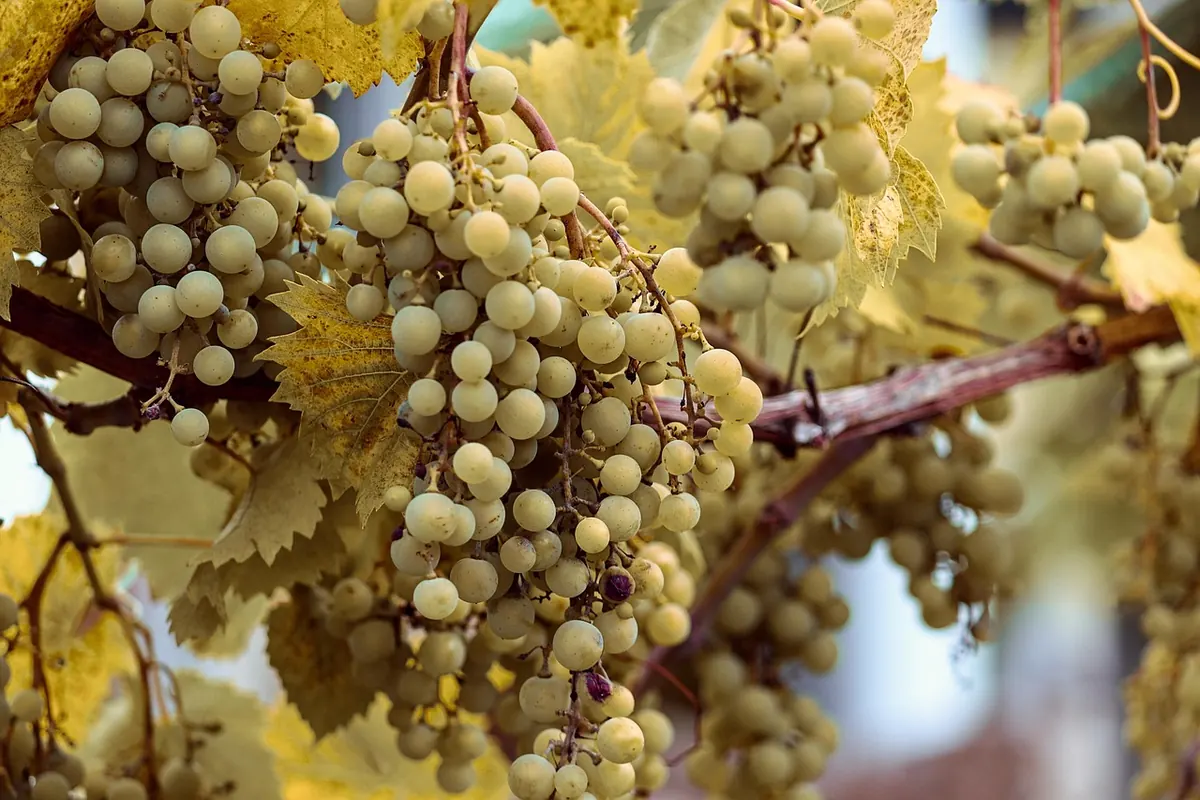
Growing grapes in Britain means reading the weather as carefully as you read your vines. Our summers are rarely hot enough to bake a vineyard dry, but they are often humid enough to keep fungal spores cheerful. Three diseases do most of the damage — powdery mildew, downy mildew and botrytis — and each has its own taste in temperature, moisture and timing. Learn those preferences and you can stop most trouble before it becomes visible.
Why fungal disease dominates the UK season
Our growing season tends to be cool and damp, with long humid nights and frequent rain through late spring and early summer. That suits downy mildew. Then a warm, still spell arrives, the canopy fills out, and powdery mildew takes its chance. Alongside them, botrytis waits for a wound, a split berry or a wet spell at flowering, and moves in.
Outdoors in a wet county such as Devon or Herefordshire, the pressure is constant. Under glass or in a polytunnel, where rain never washes the foliage, humidity lingers and air movement is poor — often the harder setting of the two.
Powdery mildew: the dry-weather fungus
Powdery mildew is the odd one out. It does not need a film of water on the leaf, so rain does not stop it. Warm, still, shaded conditions around 20–25°C with high humidity are ideal, which is why it often starts on inner leaves that never dry out properly.
What to look for
A dusty grey-white coating on leaves, shoots, tendrils and later berries. Affected leaves may curl or twist; infected berries develop a webbing of marks, then split. In spring, watch for "flag shoots" — pale, stunted, powdery growths emerging from dormant buds where the fungus overwintered.
Prevention and organic control
- Open the canopy. Thin shoots, tuck and position growth, and strip a few leaves around the fruiting zone so sunlight and air reach the leaves.
- Sulphur is the workhorse. Apply as a protectant from bud burst, repeating roughly every 10–14 days while growth is rapid. Do not spray in hot sunshine — above about 25°C it can scorch leaves — and test it on one leaf first if the variety is new to you, as some are sulphur-shy.
- Alternatives include potassium bicarbonate, neem oil, and biological products based on Ampelomyces quisqualis or Bacillus subtilis. These work best preventatively, before you can see infection.
- Diluted milk at about one part milk to nine parts water, sprayed weekly, is a long-standing garden remedy. Cheap, but it leaves a residue.
- Cut out flag shoots and bin them rather than composting.
Downy mildew: the wet-weather one
Downy mildew needs free water to infect, which makes it the classic British problem. Warm, wet spells favour it — think heavy rain followed by mild, humid days while shoots are actively growing.
Spotting it early
Look for "oil spots" on the upper leaf surface: yellow, slightly translucent patches that later turn brown. Underneath, in humid conditions, there is a fluffy white growth. If you are unsure, pick a leaf, seal it in a plastic bag overnight, and check for that white down in the morning. Later infections can brown young shoots and turn berries grey-brown and leathery.
Prevention and organic control
- Clear fallen leaves. The fungus overwinters in leaf litter on the ground. Rake and remove it in autumn, and keep a clean strip around the trunk.
- Keep foliage dry. Water at the base, ventilate tunnels and greenhouses, and avoid crowding plants.
- Copper — Bordeaux mixture or copper-based products — remains the mainstay organic protectant. It is protectant, not curative, so it must be on the leaves before rain arrives. Copper is permitted in organic systems but with annual use limits, and it accumulates in soil; check the current label and approval before you buy.
- Potassium phosphite products can prime the vine's own defences and are useful alongside a spray programme rather than instead of one.
- Remove the first badly infected leaves to slow the spread.
Botrytis: the opportunist
Botrytis, or grey mould, rarely attacks healthy tissue. It enters through a wound — a split berry, wasp or bird damage, hail, or the dying flower remnants at bloom in a wet season. Tight bunches, dense canopies and soft, over-vigorous growth all make it worse. You will see a fuzzy grey-brown coating spreading across berries, which then shrivel.
Control is mostly about airflow and wound avoidance. Strip leaves in the bunch zone a couple of weeks after flowering so air moves and sprays reach the fruit. Thin crowded bunches. Remove and bin infected berries as soon as you see them, keep nitrogen feeding modest so growth does not run soft, and net against birds. Biocontrol products based on Aureobasidium pullulans or Bacillus subtilis applied at flowering and again close to harvest can help. In a handful of regions botrytis is welcomed for sweet wines; in most UK gardens and vineyards it is simply a loss, so treat it as one.
Cultural work that does most of the job
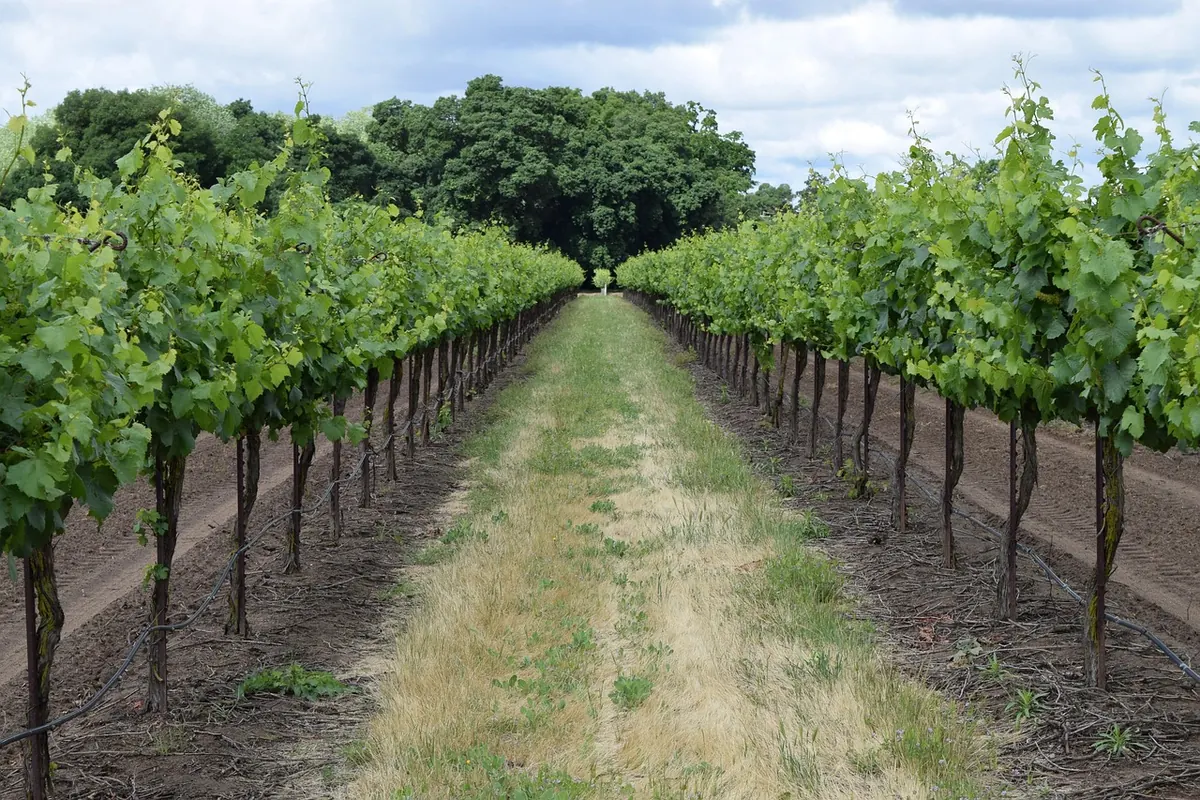
- Plant in the sunniest, most sheltered spot with free airflow, and give vines room.
- Prune and train for an open canopy — shoot thinning, positioning and leaf removal.
- Feed for balance, not vigour. Too much nitrogen means shade and soft skins.
- Water the soil, never the foliage.
- Practise hygiene: bin mummified berries, prunings and fallen leaves; clean tools and greenhouse glass.
- Choose tolerant varieties where you can — 'Regent', 'Solaris', 'Seyval Blanc', 'Phoenix' and 'Rondo' all carry less disease pressure, though none is immune.
A season-rhythm worth keeping
Start in winter: prune, clear old wood and tidy the ground. From bud burst, begin protectant sulphur sprays and watch for flag shoots. At flowering, keep everything dry and think about botrytis. After fruit set, open up the bunch zone. From bunch closure through ripening, keep the canopy airy, thin crowded bunches, and spray ahead of forecast rain rather than after it. Respect the harvest interval on any product label. Once the fruit is picked, clear leaves and any leftover berries — that is next year's problem you are removing.
Keeping it manageable
Walk the vines twice a week in damp weather, with a hand lens. Most of the losses come from acting a fortnight late, not from choosing the wrong product. Keep a simple notebook of dates, sprays and symptoms; patterns emerge within a season or two. If you plan to sell fruit or wine, take proper agronomic advice on your spray programme and on the rules that apply to you.
Photo: manfredrichter / Pixabay