September 24, 2026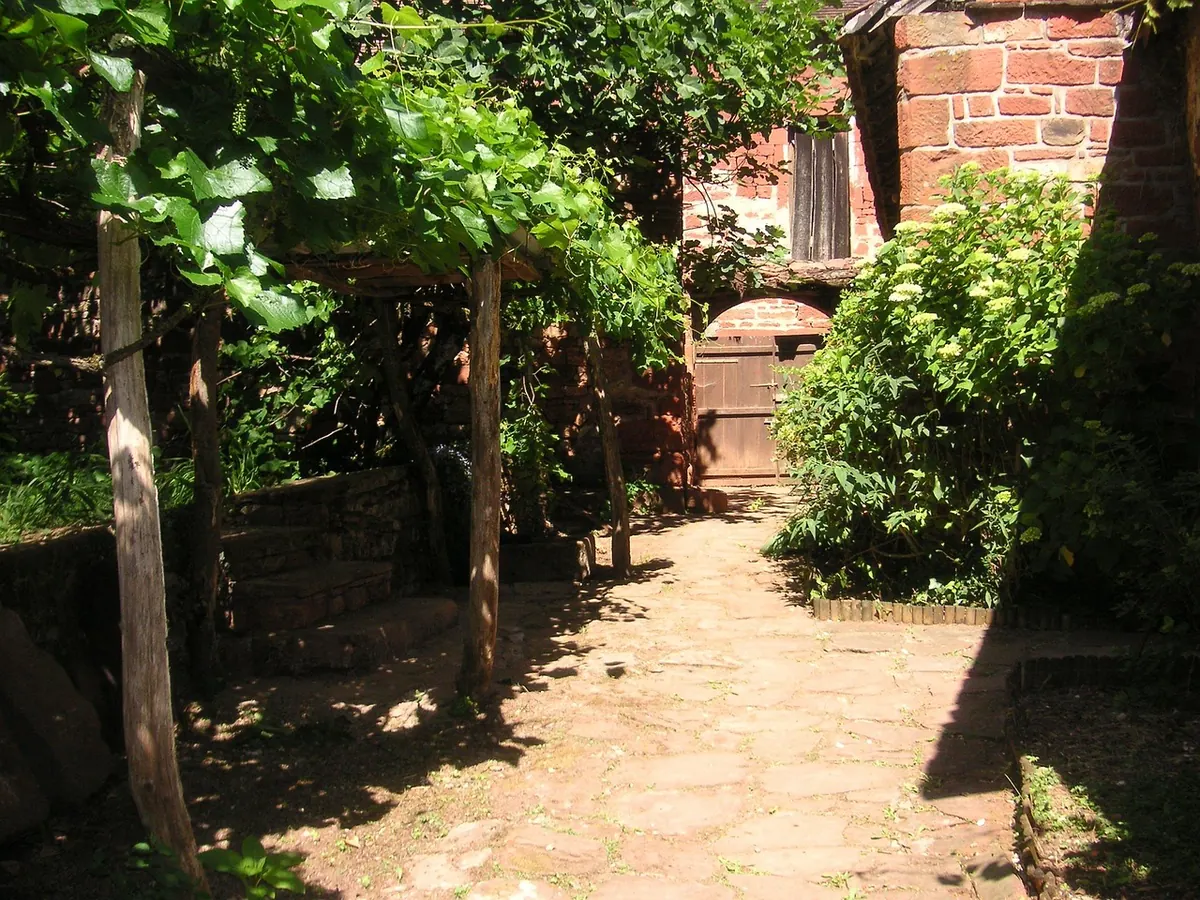
Few garden plants earn their keep quite like a grape vine. On a pergola it casts dappled shade exactly where you want it; on a fence it turns a bare boundary into something that crops in September and turns butter-yellow in November. What it will not do is behave. Left alone, a vine collapses into a thicket of shoots with the fruit marooned at the top, out of reach.
Training solves that. The principle never changes: build a permanent skeleton of old wood across the support, then keep the fruiting shoots short and close to it. Everything below is a variation on that single idea.
Choose the support before you choose the vine
A vine's performance is decided as much by where it grows as by how you prune it. Think about warmth, airflow and reach.
Walls. The warmest position, and usually the earliest to ripen a crop. A south- or west-facing wall stores heat by day and releases it at night, which suits grapes — but it also pushes vines into early growth, so late frost can nip the young shoots. Plant about 35–45cm out from the wall so the roots are not stuck in its rain shadow, and lean the young cane towards the support.
Fences. Good if they face the sun for most of the day. A slatted or trellis fence beats a solid panel because air moves through the vine, which is the best defence against mildew. Allow 1.2–1.5m between vines.
Pergolas. The classic use. Beams set roughly 40–50cm apart give you something to tie canes to and let the vine roof over a seating area. A mature vine in full leaf, soaked after rain, is heavy: fix the structure properly and run tensioned wires across the beams rather than relying on the timber alone.
The vine will outlive the fence. Build the support for the mature plant, not the one you are planting.
Planting and the first year
Bare-root vines go in between late autumn and early spring; container-grown plants can go in whenever the soil is workable. Before planting, cut the stem back hard to two or three strong buds. It feels brutal. Do it anyway — you want energy going into roots, not into one spindly shoot.
Through that first summer, water in dry spells and let a single strong shoot grow away. Pinch out anything that appears lower down the stem. Aim to finish the year with a healthy cane long enough to reach your first wire or beam, and no fruit.
Building the framework
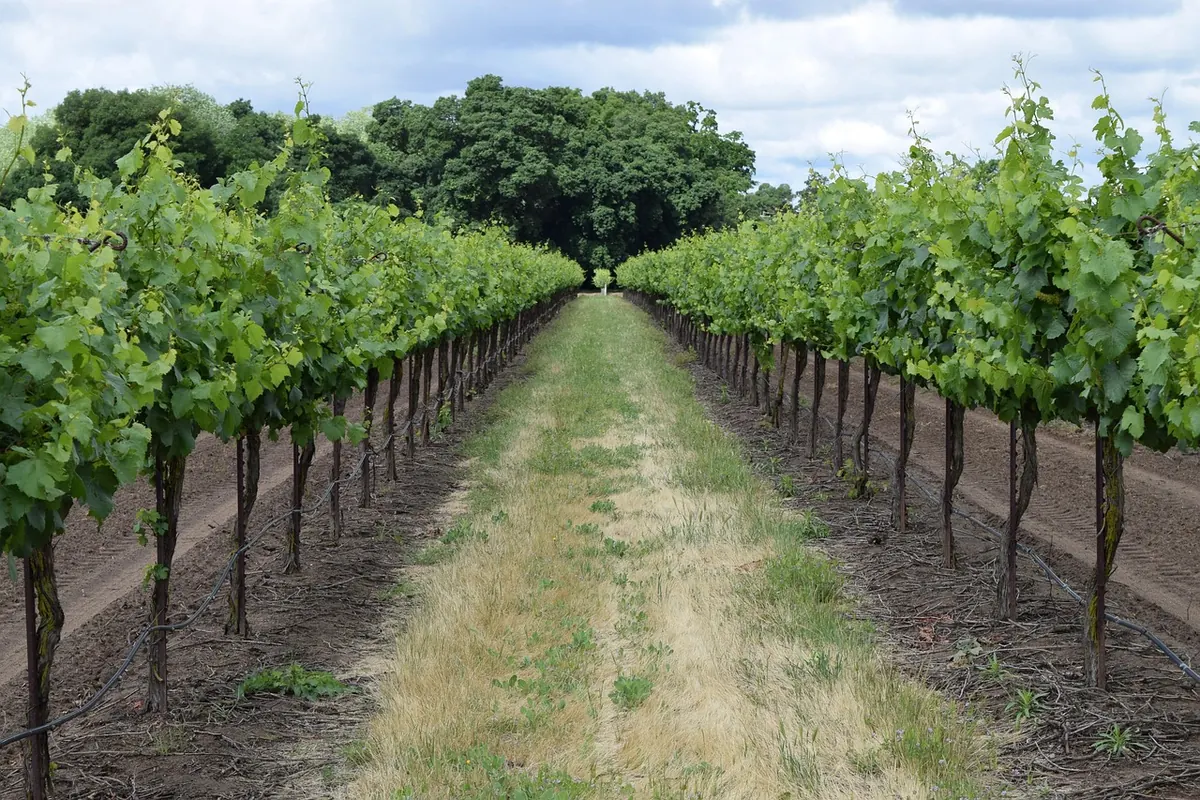
This is where the shape of the next twenty years is decided. In the second winter, choose your strongest cane and tie it in as a permanent rod. On a fence or wall, run it horizontally along the lowest wire, or take two canes in opposite directions from the trunk. On a pergola, run it along a beam. Surplus wood is cut out.
The following summer, shoots will break from buds along that rod. Keep the best of them, spaced evenly, and tie them in at right angles to the rod — these become your permanent arms. Then work through this routine each winter:
- Cut out dead, damaged or hopelessly tangled wood first.
- Shorten the previous summer's growth on each arm to two buds — a spur.
- Space spurs roughly 20–30cm apart along the rod.
- Retie the rod where ties have loosened, and remove any that have cut into the bark.
Tying in without strangling the vine
Use soft twine or rubber vine ties, never bare wire or thin plastic. Tie in a figure of eight, so the cane sits in one loop and the support in the other; the cane can then swell without being ring-barked. Check every tie in midsummer, when growth is fastest. If a tie has disappeared into the bark, cut it off and replace it rather than pulling it free.
Summer pruning: the job that decides your crop
Once a fruiting shoot has reached roughly 30–45cm, or has grown two or three leaves past its flower cluster, pinch out the growing tip. This stops the vine pouring energy into yet more leaves and redirects it into the bunches. Then repeat. New shoots will break from the pinched tips, and those need stopping too, usually every three or four weeks through June, July and August.
At the same time, thin out what you do not need: shoots crowding the rods, shoots charging straight up into the light, and anything sprouting from the trunk. Aim for fruiting shoots roughly 15–20cm apart. Shoots with no bunch should be stopped at five or six leaves, so they feed the vine without shading the crop.
In August, as the berries soften and colour, remove a few leaves directly around each bunch. Airflow helps against botrytis and sunlight helps ripening. Be cautious on a hot, exposed wall: strip a little, not everything.
Winter pruning
From December to February, while the vine is dormant, cut each spur back to two buds from the rod and take out anything that has wandered. Work on a dry, frost-free day if you can, and leave a spare bud on young vines until you see which buds break. Make larger cuts cleanly, and leave the heaviest work until the coldest spell has passed — vines bleed sap freely in late winter, which weakens them.
Keeping it productive
Most problems on a vine trained to a fence or wall come from too much shade and soft growth. Do not feed heavily with nitrogen, keep the ground around the base clear, and resist letting the vine run wild in August. In the first two years, remove most or all of the small crop so the framework establishes properly.
Wasps and birds are best dealt with by netting once the berries start to colour. And in the UK, the honest answer for a north-facing or deeply shaded spot is that the grapes may never ripen. Grow a vine there for the leaves, or choose an early-ripening variety and give it the sunniest wall you have.
Get the training right and the maintenance is small: a few hours of pinching through the summer, an afternoon of pruning in winter, and a vine that largely looks after itself for years.
Photo: 257 / Pixabay