October 08, 2026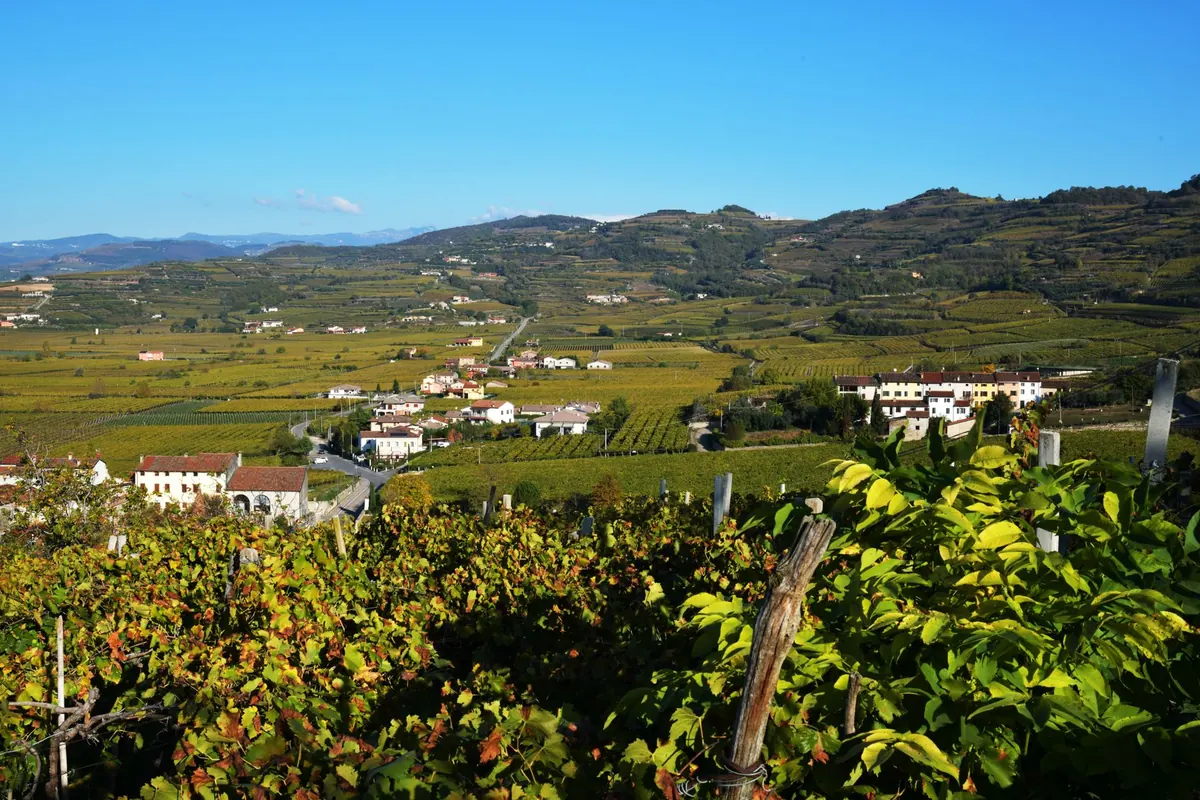
Planting a small vineyard is one of the most rewarding things you can do with a patch of British countryside. It is also slower, more physical and more expensive than most newcomers expect. The good news is that the UK now has a mature, generous winegrowing community, and with the right site and a sensible plan, a half-hectare block can produce fruit worth being proud of. Here is what to think about before you order a single vine.
Start With the Site, Not the Vines
Site selection is the decision you cannot undo. Everything else — variety, trellis, machinery — can be changed later. Aspect, soil and air drainage cannot.
In the UK, the best vineyard sites tend to be south or south-west facing slopes with a gradient of perhaps 5 to 15 per cent. The slope does two jobs: it catches more sun and it lets cold air drain away downhill. A flat field surrounded by hedges or woodland may look idyllic, but it is often a frost pocket, and spring frost is the single biggest threat to a UK crop.
Soil matters just as much. Vines dislike waterlogged roots, so free-draining ground is essential. Loam over chalk, limestone or gravel is ideal; heavy clay needs serious drainage work before planting. Before you commit, dig a few inspection pits a spade-and-a-half deep and look at the profile. Then send a soil sample for analysis to check pH and nutrient levels — a laboratory test costs very little relative to the cost of getting it wrong.
Also check the practicalities: access for a tractor or small van, a water supply, and whether the land has any planning or environmental designations that restrict planting. If the site is in a protected landscape, speak to the relevant authority early.
Choosing a Realistic Scale
Most small UK vineyards start at between a quarter and two hectares. That range is deliberate: below about a quarter hectare, the economics rarely work unless you are making wine purely for pleasure; above two hectares, the labour and machinery demands escalate quickly.
Planting density in the UK is typically between 2,500 and 4,000 vines per hectare, with rows spaced roughly 1.5 to 2.2 metres apart and vines 0.8 to 1.2 metres apart within the row.
A simple planning rule
- Tight spacing (around 4,000 vines per hectare) suits smaller blocks, gives better canopy management and higher quality potential, but costs more to establish.
- Wider spacing (2,500–3,000 vines per hectare) allows easier access for small machinery and reduces upfront cost.
- Row orientation should generally run north–south to maximise even sunlight, unless the slope dictates otherwise.
One more number worth knowing: a well-managed vine might yield somewhere between one and two kilograms of fruit, though this varies enormously with variety, age and season. Roughly 60 to 70 litres of juice come from every 100 kilograms of grapes. Do the arithmetic for your intended production before you plant.
Trellis Systems and Infrastructure
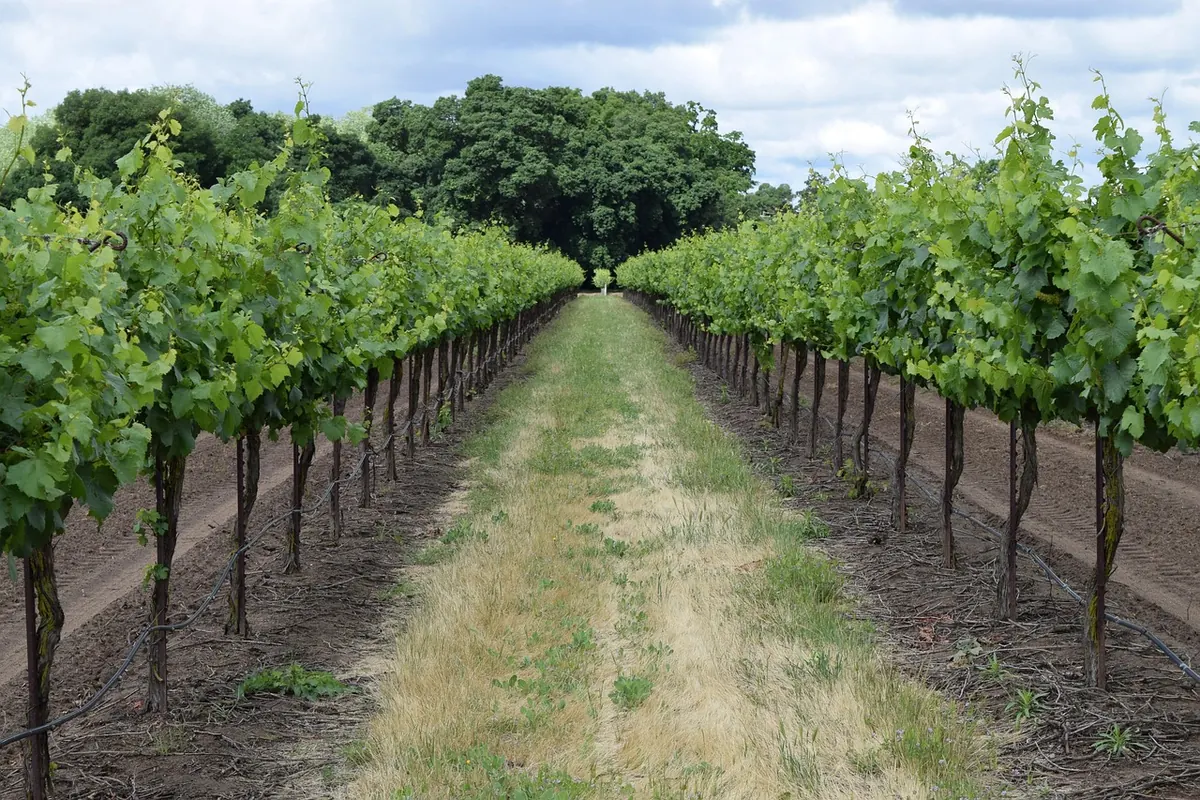
Almost all UK vineyards use a vertical shoot positioning (VSP) trellis. It is well understood, comparatively simple and suits the varieties grown here. Expect end posts, intermediate posts every six to eight metres, and two to four wires to carry the canopy and fruit. A moveable or adjustable fruiting wire is a useful refinement on frost-prone sites.
Trellis is a substantial part of your establishment cost, and installation is heavy work — post driving in particular. Many growers hire a contractor for this stage rather than struggle with a hand-held driver. If you plan to mechanise later, leave enough headland at row ends for a small tractor or crawler to turn.
Varieties worth investigating
The traditional UK planting mix is Pinot Noir, Chardonnay and Meunier for sparkling wine, with Bacchus, Seyval Blanc and Solaris for still wines. Disease-resistant varieties such as the PiWis crosses are increasingly popular because they need fewer sprays. Talk to a specialist UK nursery about what suits your site and your target market, and order vines well in advance — good planting material sells out.
Licensing and the Legal Basics
If you are growing grapes for your own table or to sell as fruit, there is very little to do. If you intend to make and sell wine, a few obligations come into play, and it pays to look into them before your first harvest rather than after.
- Alcohol production: producers must be registered with HMRC and account for alcohol duty. Rates and reliefs change, so check current guidance or ask an accountant who knows the drinks sector.
- Selling alcohol: selling wine — including online — generally requires a licence under the Licensing Act 2003. Your local council can explain what applies to your premises.
- Wine labelling: there are rules on what must appear on a label. WineGB publishes useful guidance on this and on protected designation schemes.
- Food business registration: if you produce wine commercially, you will normally need to register with your local authority.
This is not legal advice, and the details differ across the UK nations. Treat it as a checklist to raise with your accountant and licensing authority.
What It Actually Costs
Any figure here is a rough planning aid, not a quote. Costs vary with contractor rates, vine prices and how much of the work you do yourself. For a half-hectare block, think in terms of these categories:
- Ground preparation and drainage — cultivation, stone removal, subsoiling.
- Vines — grafted vines cost more than own-rooted, but are often worth it.
- Trellis materials — posts, wire, anchors and tensioners.
- Planting labour — a two-person job over several days, or a contractor.
- Fencing and frost protection — deer fencing, windbreaks, perhaps irrigation.
- Tractor or specialist machinery — can be hired or contracted initially.
- Annual costs — pruning, spraying, mowing, netting and picking, which are labour-heavy every single year.
As a broad expectation, establishing half a hectare yourself might land in the region of £15,000 to £30,000, with contracted work at the upper end. Budget maintenance costs annually from year one; the vines will not pay you back for several years.
Your First Harvest and Beyond
Plant in spring, and expect a partial crop in year three, with something closer to a commercial crop in years four to six. Pruning begins in the first winter, and the annual rhythm of the vineyard — pruning, tying down, canopy work, netting, picking — settles in quickly.
Before planting, decide who will make the wine. Many small growers sell their fruit to a nearby winery or use a contract winemaker for the first few vintages, which avoids investing in tanks, presses and a winery building while you are still learning how your site performs.
A Sensible Way to Begin
Start smaller than you think you should. Plant a quarter hectare, learn how your site behaves through a frost, a wet summer and a hot one, and keep your day job. Visit established vineyards, join WineGB, and ask growers what they would do differently. Read the soil test properly, get quotes in writing, and put money aside for the seasons that do not go your way. A vineyard rewards patience more than enthusiasm, and the growers who succeed are usually the ones who spent a year planning before they spent a penny planting.
Photo: Serena Koi / Pexels