September 16, 2026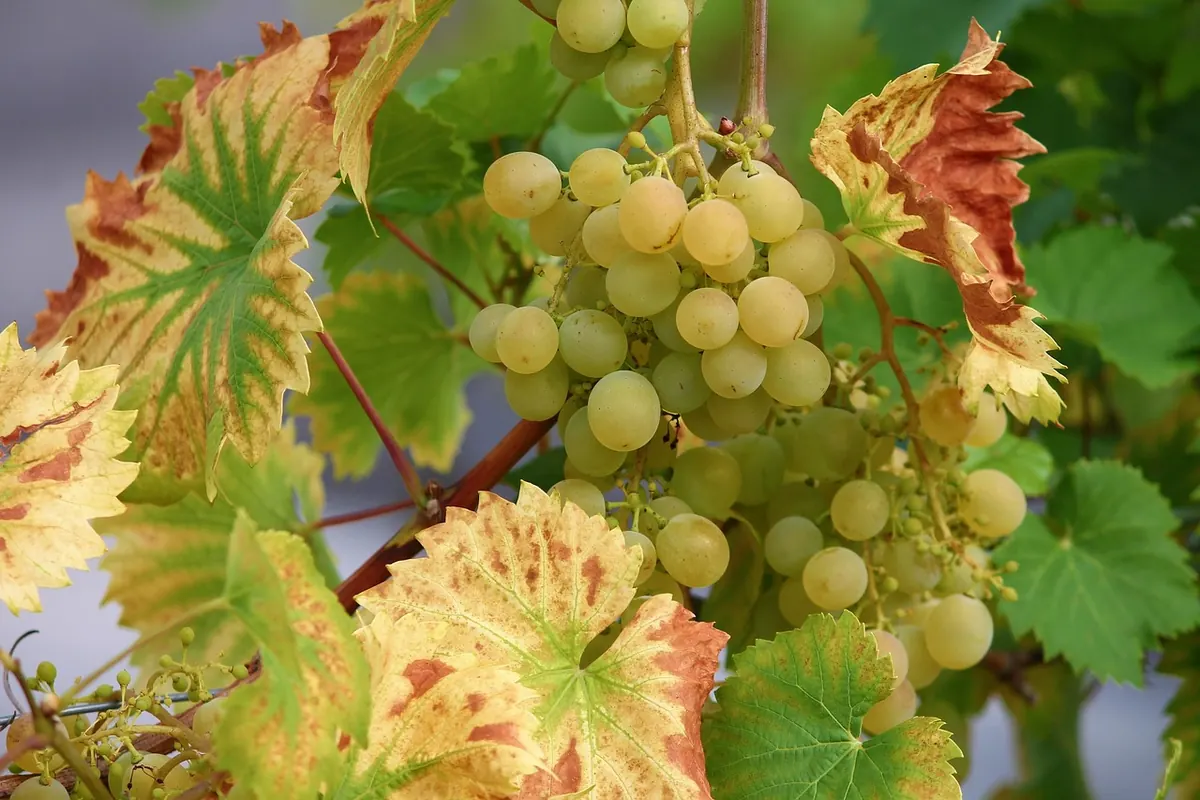
Vines are more forgiving than their Mediterranean reputation suggests, but they keep a strict calendar. In the UK the season is short and often damp, so the jobs that matter — feeding at the right moment, opening up the canopy before it closes, catching mildew on the first warm, humid day — have narrow windows. Miss one and you rarely lose the vine. You lose the crop, or a chunk of next year's.
What follows is a working year for a vine grown outdoors against a wall, over a pergola or in a greenhouse border. Timings shift by two or three weeks depending on where you garden, so treat the months as prompts rather than appointments.
January and February: prune while the vine sleeps
Prune in the depths of dormancy, ideally late January into February, and avoid working when the wood is frozen or soaked. On a rod-and-spur system, cut last year's growth back to two buds from the old wood and remove anything thin, tangled or unripened. Vigorous vines often suit a cane replacement system better: keep one strong cane to tie down and cut the previous one away.
Don't be tempted to prune in autumn. Wounds bleed in mild weather and fresh cuts sit exposed to frost for months. Wipe your blades with methylated spirits between vines, because canker and dieback travel easily on dirty tools. Finish with a mulch of well-rotted manure or compost, kept a hand's width clear of the trunk. Bare-root vines can still be planted now, provided the ground isn't frozen.
March and April: budburst, frost and the first feed
Budburst is where the year can go wrong. A late frost after the buds have broken will wipe out the crop in a single night. Watch the forecast from the moment the buds swell, and keep fleece, a cloche or an old sheet within reach. Container vines can simply be wheeled under cover for a cold snap.
Feed lightly at budburst. Vines dislike rich ground; too much nitrogen gives you a wall of leaves and no fruit. A handful of blood, fish and bone scratched into the surface is plenty for an established outdoor vine. If yours lives in a pot, or looks pale and slow, a balanced liquid feed at half strength will do more good than anything tipped onto the soil.
Water newly planted vines generously through their first two summers. After that, water deeply and less often, aiming at the roots rather than the leaves. Tie in new shoots as they appear and rub out doubled buds so the vine puts its energy into growth you actually want.
Quick pest check
- Vine weevil: notch-edged leaves on potted vines usually mean grubs below. Tip the pot out and inspect the compost.
- Scale insect: small brown bumps on older wood. Scrub them off with a soft brush in early spring.
- Slugs: emerging shoots are vulnerable, particularly in a wet spring.
May and June: flowering, training and the mildew watch
Flowering is brief and largely decides your crop. Vines are mostly self-pollinating, but bees and a warm, still week help. Don't spray anything on open flowers, and keep a greenhouse ventilated so the air keeps moving.
As shoots reach 10–15cm, tie them to the wires and thin out the congested ones. Once a shoot has produced three leaves beyond its bunch, pinch out the growing tip. Sideshoots coming off that shoot should be stopped at one leaf, which keeps the vine's effort in the fruit rather than in a thicket of trailing growth.
From the first warm, humid spell, check weekly for powdery and downy mildew — look for a grey or white felt on leaf undersides and yellow patches on top. Remove affected leaves at once, water the soil rather than the foliage, and open up the canopy. Switch to a high-potash tomato feed when the flowers open, every ten to fourteen days, and continue until the berries begin to colour.
July and August: canopy, water and ripening
Ripening depends on light and airflow. Six weeks or so before you expect to pick, remove three or four leaves around each bunch so the fruit sees the sun and dries quickly after rain — but no more. A stripped vine scorches, and exposed fruit attracts wasps.
Water consistently. Vines that swing between drought and deluge split their berries and rot in the bunch. A slow soak once or twice a week beats a daily sprinkle, though pots may need watering every day in a heatwave. Stop nitrogen feed by the end of July, while potash can continue until the berries change colour.
If older leaves turn yellow between the veins while the margins stay green, that is usually magnesium shortage. A foliar feed of Epsom salts in the evening corrects it quickly.
September to November: harvest and leaf fall
Pick by taste and seed colour rather than by the calendar — brown, woody seeds and sweet juice mean the fruit is ready. Cut bunches with scissors on a dry morning and handle them as little as possible. Wasps and birds find the vines long before you do, so net from the moment the berries start to colour.
Keep watering after harvest until the leaves drop naturally, then stop. Rake up fallen leaves and shrivelled berries from around the base, since both carry mildew and botrytis through the winter. Raise container vines onto feet so they don't sit in winter wet, and give greenhouse vines less water and plenty of ventilation. Leave the main pruning until the new year.
The year at a glance
- January–February: prune, clean tools, mulch, plant bare roots.
- March–April: protect from frost at budburst, light feed, tie in shoots.
- May–June: train and pinch, start potash feed, watch for mildew.
- July–August: thin leaves around bunches, water steadily, net the fruit.
- September–October: harvest, keep watering until leaf fall.
- November–December: clear debris, protect pots, rest.
Write it down
Every garden has its own microclimate, and the most useful record you can keep is a notebook. Note the date the buds break, when the vine flowers, when the berries colour and when you pick. Two or three years of notes will tell you more about your site than any general guide, because they'll tell you when your vine does things — and when the frost arrives where you garden.
Beyond that, the discipline is simple: act early, keep the canopy open, water deeply and don't overfeed. Do those four things and a UK vine will reward you with more fruit than most people expect.
Photo: manfredrichter / Pixabay